

In today’s digital age, cybersecurity has become an indispensable part of the educational landscape. With the increasing reliance on digital platforms for learning and teaching, both students and teachers must be equipped with the knowledge and tools to protect themselves against cyber threats. This article aims to provide a comprehensive overview of cybersecurity fundamentals, specifically tailored for the educational context. We will delve into the nature of cyber threats, essential cybersecurity practices, and strategies to foster a culture of cyber safety in schools. By the end of this article, educators and students will have a clearer understanding of how to navigate the digital world securely.
Understanding Cybersecurity
Cybersecurity refers to the measures and practices designed to protect systems, networks, and data from cyber attacks. In the context of education, cybersecurity involves safeguarding sensitive information such as personal data, academic records, and communication channels. The digital transformation in education has brought numerous benefits, including enhanced learning experiences and greater accessibility. However, it has also introduced vulnerabilities that cybercriminals can exploit. For instance, online learning platforms, while convenient, can become gateways for cyber attacks if not properly secured. Understanding the basics of cybersecurity is the first step towards creating a safe digital environment for students and teachers.
Common Cyber Threats in Education
Educational institutions are prime targets for a variety of cyber threats due to the wealth of personal and institutional data they handle. One of the most common threats is phishing, where attackers use deceptive emails or messages to trick individuals into revealing sensitive information such as login credentials. Malware, including viruses, worms, and spyware, is another significant threat that can infect devices, steal information, or disrupt operations. Ransomware attacks, which involve encrypting data and demanding a ransom for its release, have also been on the rise in the education sector. These attacks can cause significant disruptions, as seen in cases where schools had to halt operations to deal with the fallout. Understanding these threats helps educators and students to recognize and mitigate them effectively.
Best Practices for Cybersecurity
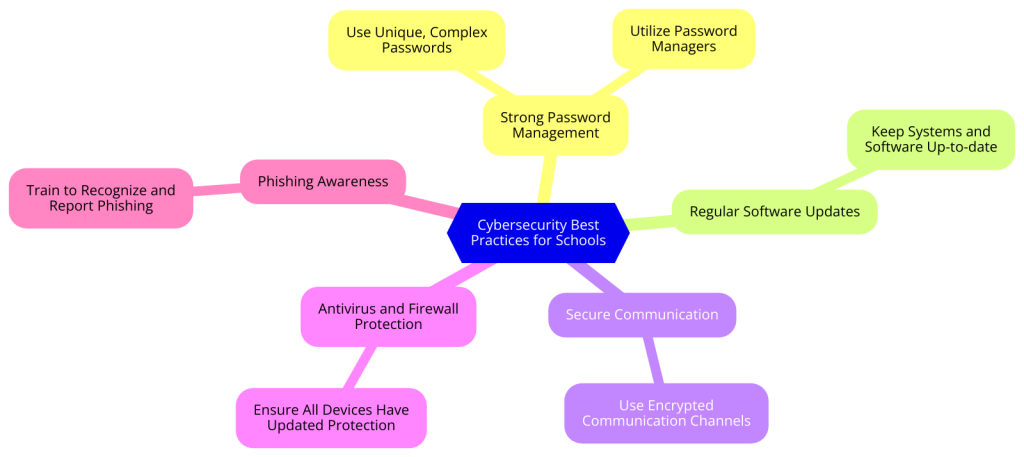
Implementing robust cybersecurity practices is essential to protect against the myriad of threats facing educational institutions. One of the foundational practices is password management. Strong, unique passwords that combine letters, numbers, and symbols are crucial in preventing unauthorized access. Using a password manager can help manage and store these passwords securely. Regular software updates are another critical practice, as they ensure that the latest security patches are applied, protecting against known vulnerabilities. This includes updating operating systems, antivirus programs, and any educational software used. Secure communication is also vital; using encrypted communication tools for sharing sensitive information can prevent data breaches. Ensuring that all devices used for educational purposes have updated antivirus software and firewalls enabled further enhances security. Regularly scanning devices for malware and suspicious activities can help detect and neutralize threats early.
Incorporating Cybersecurity into the Classroom
Educators have a pivotal role in fostering cybersecurity awareness among students. Integrating cybersecurity into the curriculum can be achieved through interactive lessons and practical activities. For instance, organizing cybersecurity workshops can cover basic principles such as recognizing phishing emails and creating strong passwords. These workshops can include hands-on activities where students practice identifying threats and securing their devices. Teaching digital citizenship is another effective strategy. Students should learn about responsible online behavior and the importance of protecting personal information. This includes understanding the impact of their digital footprints and how to manage them effectively. Additionally, simulated cyber attacks can be used to demonstrate how these attacks occur and how to respond to them. This practical approach helps students understand the real-world applications of cybersecurity measures and prepares them to handle cyber threats effectively.
Resources for Educators
Numerous resources are available to help educators enhance their cybersecurity knowledge and integrate it into their teaching. Programs like the Cybersecurity Training for Teachers (CTT) offer comprehensive courses that cover various aspects of cybersecurity, from threat identification to defensive strategies. These programs often include practical activities, case studies, and discussions, providing a well-rounded understanding of cybersecurity. Platforms like CyberStart also offer interactive tools and challenges designed to develop students’ cybersecurity skills. These resources can be incredibly beneficial in providing both theoretical knowledge and practical experience. Additionally, organizations such as the National Initiative for Cybersecurity Careers and Studies (NICCS) offer a plethora of resources, including tip cards, videos, fact sheets, and toolkits, to help educators and students alike. Utilizing these resources can significantly enhance the cybersecurity posture of educational institutions.
Promoting a Culture of Cyber Safety
Creating a culture of cyber safety involves the collective effort of students, teachers, and parents. Open discussions about cybersecurity practices should be encouraged both at home and in school. Establishing clear policies regarding the use of personal devices and internet access within educational settings is essential. These policies should be regularly reviewed and updated to adapt to emerging threats. Promoting cyber hygiene, such as regular password changes and avoiding suspicious links, should be a continuous effort. Schools can also organize events and campaigns to raise awareness about cybersecurity. For instance, hosting cyber safety days where students participate in activities and learn about best practices can be highly effective. Encouraging a proactive approach towards cybersecurity can help build a resilient educational community capable of withstanding cyber threats.
In conclusion, as digital learning continues to grow, so does the importance of cybersecurity. By understanding common threats, implementing best practices, and fostering a culture of cyber safety, both students and teachers can navigate the digital landscape securely. Staying informed and proactive is key to protecting our educational environments from cyber threats. Through collaborative efforts and continuous education, we can build a safer digital future for everyone in the academic community. Resources from platforms like NICCS and programs like CyberStart can provide invaluable support in this journey. Ultimately, a secure educational environment not only protects sensitive information but also ensures that the focus remains on learning and development.

Brian C Jensen is the CEO of Legacy Global Consulting, Inc., a management consulting firm. With 10+ years of experience, he advises organizations on digital transformation, risk management, and growth strategy—helping clients anticipate market shifts and scale sustainably.