
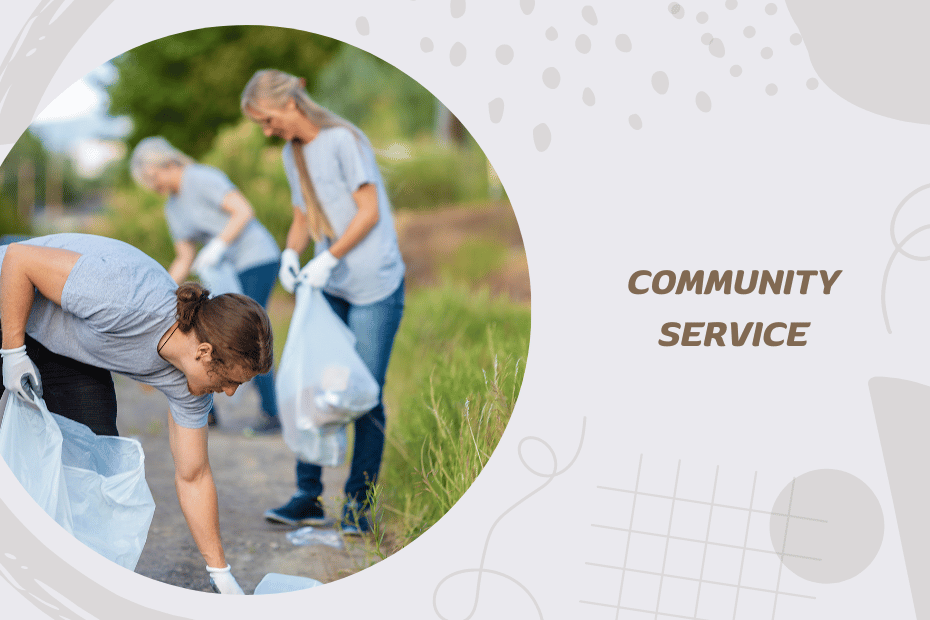
Community service has evolved from being just a graduation requirement into a fundamental aspect of education that extends learning beyond traditional classroom boundaries. By engaging in community service, students contribute positively to society and gain valuable experiences that enhance their personal and academic development. This article explores the significance of community service, how it enriches education, and why it’s crucial for fostering responsible, civic-minded individuals.
Understanding the Broader Impacts of Community Service
Community service offers students a unique opportunity to step out of the classroom and into real-world situations where they can make a tangible difference. Unlike theoretical learning, community service involves direct interaction with the community, providing students with a deeper understanding of societal issues and the importance of contributing to the common good.
By participating in various service activities, such as volunteering at food banks, helping in shelters, or participating in environmental clean-up projects, students develop empathy and a sense of responsibility towards others. These experiences foster a connection between the student and the community, making them more aware of the challenges that others face daily. This awareness is critical as it builds the foundation for a more compassionate and socially responsible society.
Skill Development Through Practical Experience
One of the most compelling reasons for integrating community service into education is the development of essential life skills. Volunteering helps students hone skills such as teamwork, communication, problem-solving, and leadership, which are indispensable in both personal and professional spheres.
For example, when students take on leadership roles in organizing a community event, they learn about the intricacies of planning, delegation, and management. These responsibilities teach them how to coordinate effectively, work under pressure, and resolve conflicts—skills that are highly valued in the workplace. Moreover, these experiences contribute to building confidence and self-reliance, as students are often required to step out of their comfort zones to achieve their goals.
Enhancing Academic Learning Through Service
Community service significantly enhances academic learning by allowing students to apply classroom knowledge to real-world situations. This practical application helps solidify their understanding of academic concepts and demonstrates the relevance of their studies to everyday life.
For instance, a biology student volunteering at an environmental organization may gain firsthand experience in conservation efforts, which reinforces their academic knowledge about ecosystems and biodiversity. Similarly, a student studying social sciences might develop a deeper understanding of social inequality by working with marginalized groups. These experiences make learning more engaging and meaningful, encouraging students to delve deeper into their studies.
Strengthening Community Bonds
Community service strengthens the bonds between students and their communities by fostering a spirit of collaboration and mutual support. When students volunteer, they contribute to the well-being of their communities by addressing local needs, whether it’s through improving public spaces, supporting local businesses, or assisting in community events.
These activities benefit the community and instill a sense of pride and belonging in students. As they see the positive impact of their efforts, they become more invested in their community’s future. This sense of ownership often leads to continued involvement in community activities, even after their formal education has ended.
Civic Responsibility and Social Awareness
Engaging in community service helps students develop a strong sense of civic responsibility. It teaches them about the importance of active participation in their communities and encourages them to become informed and engaged citizens. This involvement is crucial for the health of a democratic society, as it ensures that future generations are prepared to take on the responsibilities of citizenship.
Through service, students learn about the complexities of social issues and are empowered to advocate for change. Whether it’s through raising awareness about environmental sustainability, promoting social justice, or supporting public health initiatives, community service provides a platform for students to contribute to positive societal change.
Addressing the Challenges of Community Service
While the benefits of community service are numerous, it is not without its challenges. Students may struggle to balance their volunteer work with academic and personal responsibilities. Additionally, finding meaningful service opportunities that align with their interests and skills can sometimes be difficult.
To overcome these challenges, schools and educators can play a pivotal role by providing resources, guidance, and support. Schools can help students identify service opportunities that match their passions and academic goals, making it easier for them to integrate service into their lives. Additionally, by offering academic credit for service-learning projects, schools can help students manage their time more effectively and recognize the educational value of their service.
Promoting Lifelong Service and Learning
Community service is not just a temporary endeavor; it’s a lifelong commitment to learning and serving others. The experiences gained through volunteering often inspire students to continue their service efforts long after their school years. This ongoing engagement with their communities enriches their lives and the lives of those they serve, fostering a culture of continuous learning and social responsibility.
Moreover, lifelong service contributes to personal growth, as individuals continue to learn from their experiences and develop new skills throughout their lives. This commitment to service also fosters a greater understanding of the world and a deeper connection to the broader community, making individuals more empathetic and socially aware.
Conclusion: The Enduring Impact of Community Service
Community service offers students invaluable opportunities to learn and grow beyond the classroom. It helps them develop essential skills, enhances academic learning, strengthens community bonds, and fosters a strong sense of civic responsibility. While challenges may arise, the rewards of community service far outweigh them, providing benefits that last a lifetime. As students engage with their communities, they make a difference in the lives of others and enrich their own educational experiences, laying the foundation for a lifetime of learning and service.

Brian C Jensen is the CEO of Legacy Global Consulting, Inc., a management consulting firm. With 10+ years of experience, he advises organizations on digital transformation, risk management, and growth strategy—helping clients anticipate market shifts and scale sustainably.