
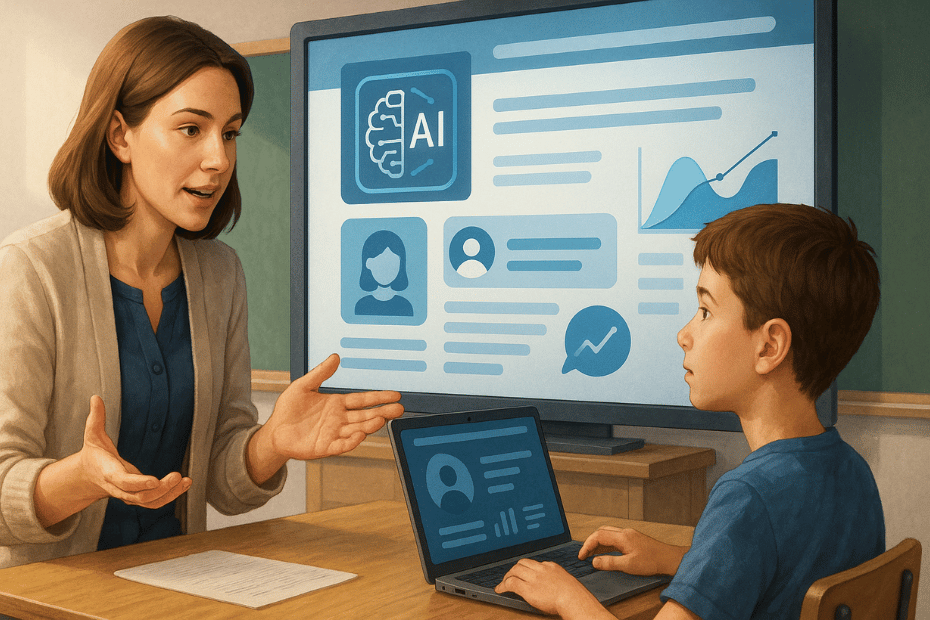
If you’re teaching in today’s classrooms or learning in one, you’ve already seen artificial intelligence shift how education works. From AI tools grading assignments to chatbots helping students with homework, this technology is becoming a daily part of your academic environment. But it’s not just about making things faster or more personalized. The real question is: how can you use AI responsibly? Whether you’re integrating AI into lesson plans or relying on it for studying, understanding its ethical impact is critical. You have to think about who has access to data, how algorithms make decisions, and what kind of biases might creep in. This article walks you through the key ethical issues every educator and student should be aware of—and what you can do about them.
Know What AI Is Actually Doing in Your Classroom
It’s easy to assume AI is just another classroom tool, but it’s doing more than solving math problems or checking grammar. AI systems learn from patterns, and that means they’re constantly collecting and analyzing data from your students. Some tools use this data to personalize content or assess performance. Others track behavioral trends or predict future learning paths. The upside? Better insights and more targeted instruction. But here’s the tradeoff—once that data is collected, you lose some control over how it’s stored, shared, or even used to shape future decisions.
As an educator, you need to understand exactly what each AI-powered tool is doing. What kind of data is it pulling? How is it being processed? And are your students—or their parents—aware and comfortable with that?
Take Student Data Privacy Seriously
Every time a student interacts with an AI platform, that system collects data. It might be as simple as login times or as detailed as written responses and emotional cues. If you’re not checking how this data is handled, you could be putting your students at risk. You need to look for platforms that are transparent about their data policies, follow local privacy laws like FERPA or GDPR, and don’t sell or share user data for marketing purposes.
And it’s not just about picking the right tools—it’s also about how you use them. If you’re saving student responses in cloud apps or asking them to input personal information, make sure it’s absolutely necessary. Teach your students how to protect their digital identity just like you teach them how to write an essay.
Bias Can Creep In Without You Noticing
AI systems are only as good as the data they’re trained on—and that data isn’t always neutral. If you’re using AI to assess student work or track progress, there’s a chance it could reflect hidden biases. This might show up as unfair grading, limited recommendations for certain students, or patterns that reinforce stereotypes.
That’s why you need to regularly evaluate these systems. Ask yourself: Is the AI making the same recommendations for all students, or is it skewed by demographics? If you notice gaps, bring them up. Most providers welcome feedback, and it’s your responsibility to protect fairness in your classroom.
You also need to understand how those systems make decisions. If an AI tool gives a grade or recommendation, can you explain why? If not, that’s a red flag. Trustworthy AI should be explainable.
You Still Need to Make the Final Call
AI can support learning, but it shouldn’t replace human judgment. You know your students better than any algorithm. If an AI tool tells you a student is falling behind, you need to follow up and verify. Maybe there’s a technical glitch, or maybe it missed something a human wouldn’t. The same goes for automated grading—don’t assume the system caught everything. Use it as a guide, not a rule.
And for students: AI-generated study help is great, but don’t let it do the thinking for you. If a chatbot writes your essay, you’re not learning. Use it to brainstorm, outline, or check your grammar—but make the final product your own.
Teach AI Literacy Alongside Digital Literacy
If you’re not already teaching students how AI works, you need to start. AI is now part of their everyday experience, from social media feeds to online learning platforms. Help them understand what’s behind the screen. Show them how AI uses data to make decisions, what limitations it has, and where it might go wrong.
The more your students understand how AI operates, the more they can question it—and the better they’ll be at using it responsibly. Include AI literacy in lessons about critical thinking, digital safety, and even ethics. You’re not just preparing them for tests; you’re preparing them for the real world.
Push for Clear Guidelines in Your School or District
It’s not enough to have good intentions—you need policy. Every school should have clear rules about how AI can be used in classrooms. That includes what tools are approved, how student data is handled, what kind of consent is required, and how teachers are expected to evaluate the tech they use.
If your school doesn’t have a policy, start the conversation. Bring it up in faculty meetings. Loop in IT staff and administrators. Make sure there’s a shared understanding of the risks and responsibilities involved. And don’t be afraid to push back on vendors who won’t disclose how their algorithms work.
Ethical AI Use in Education
- Understand what data AI tools collect
- Prioritize student data privacy and consent
- Watch for bias in AI-driven feedback
- Keep human judgment central in decision-making
- Teach AI literacy alongside tech skills
- Advocate for clear school-level AI policies
In Conclusion
As an educator or student, you can’t afford to ignore AI’s ethical implications. The tech is here, and it’s growing fast—but your awareness and actions can shape how it’s used. When you stay informed, question the tools, and center the conversation around students’ rights and learning outcomes, you set the standard for responsible innovation. Whether you’re grading assignments, building lesson plans, or just trying to get help with a tough subject, treat AI like a partner—not a decision-maker. Because no matter how smart the algorithm is, the ethics come from you.
Thanks for reading! If you’re interested in AI, ethics, or how technology is shaping modern education, I’d love to connect with you over on X (formerly Twitter).

Brian C Jensen is the CEO of Legacy Global Consulting, Inc., a management consulting firm. With 10+ years of experience, he advises organizations on digital transformation, risk management, and growth strategy—helping clients anticipate market shifts and scale sustainably.