·Brian C JensenBrian C JensenEducationFlipped Classrooms
Flipped Classrooms: Turning Traditional Education Upside Down
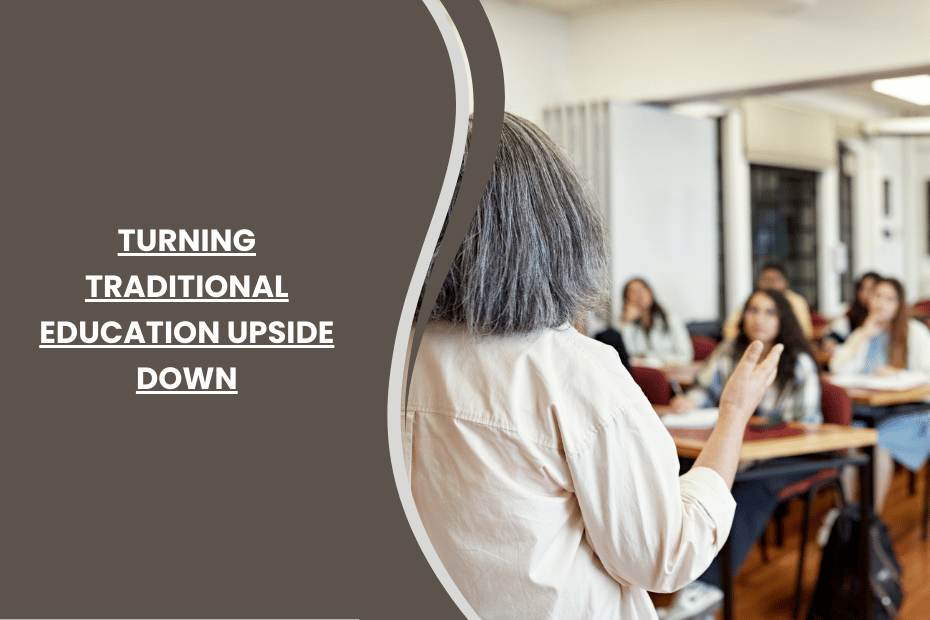
The flipped classroom model is revolutionizing education by inverting the traditional approach to teaching. Instead of spending class time delivering lectures, teachers provide instructional content for students to review at home, often in the form of videos or online lessons. Class time is then dedicated to interactive, student-centered activities, where learners can engage with the material more deeply and collaboratively. This model puts students at the center of their learning and gives teachers more opportunities to offer personalized support. In this article, we’ll explore the key benefits and challenges of flipped classrooms and how they are transforming modern education.
What is a Flipped Classroom?
A flipped classroom is a pedagogical approach where the traditional order of instruction is reversed. In a traditional classroom, students are introduced to new concepts during class and are given homework to reinforce learning. However, in a flipped classroom, students engage with learning materials (videos, readings, etc.) at home and spend class time applying those concepts through discussions, group work, and hands-on activities.
The primary goal of this method is to make better use of class time for deeper learning. Students have the freedom to learn at their own pace, pausing and re-watching instructional videos as needed. This provides an opportunity to process information thoroughly before engaging in classroom activities designed to reinforce understanding.
Advantages of Flipped Classrooms
Flipped classrooms offer several distinct advantages over traditional methods:
- Active Learning: Students are actively involved in their education, applying what they’ve learned in real-time during class. Instead of passively listening to lectures, they engage in problem-solving, discussions, and group activities that deepen understanding.
- Personalized Learning: Teachers have more time to interact with individual students or small groups. This one-on-one interaction allows teachers to address each student’s specific needs, making the learning experience more personalized.
- Flexibility for Students: Students can learn at their own pace, revisiting complex material outside of class. This flexibility is especially beneficial for students who may need more time to grasp difficult concepts.
The Role of Technology in Flipped Classrooms
Technology plays a central role in flipped classrooms. Videos, online quizzes, and other digital resources allow students to access learning materials anytime, anywhere. Many teachers use platforms like YouTube or school learning management systems to deliver content, giving students control over when and how they learn.
Additionally, technology helps teachers track student progress. For example, some platforms provide insights into which students have completed the assigned videos and whether they understand the content, allowing teachers to tailor their lessons accordingly.
However, it’s important to ensure that all students have access to the necessary technology. Schools may need to provide resources such as loaner devices or internet access for students who don’t have these tools at home.
Flipped Classrooms and Collaboration
Flipped classrooms promote collaboration among students, fostering a more interactive learning environment. In class, students work together on problem sets, projects, or group discussions, applying the knowledge they gained at home. This peer collaboration helps students develop teamwork and communication skills, which are increasingly important in today’s workforce.
Group work also encourages students to help one another, creating a supportive learning environment where they can ask questions and clarify concepts. More advanced students often help their peers, reinforcing their own understanding while assisting others.
Challenges of Implementing Flipped Classrooms
While the flipped classroom model offers many benefits, it also presents challenges. One of the biggest obstacles is ensuring that students complete the preparatory work at home. Without watching the instructional videos or doing the readings, students may struggle to participate in class activities.
Additionally, not all students have access to reliable internet or devices at home, which can create inequities in learning. Teachers need to account for these disparities by providing alternative ways for students to engage with the material if they lack the necessary technology.
Another challenge is the increased preparation time for teachers. Creating high-quality video lessons and preparing in-class activities requires significant effort and time, especially for educators who are new to the flipped model.
Flipped Classrooms in STEM Education
Flipped classrooms have proven particularly effective in STEM (Science, Technology, Engineering, and Mathematics) subjects. STEM topics often involve complex theories and problem-solving, which students may struggle to grasp through traditional lectures. In a flipped classroom, students can review instructional videos at their own pace and then apply these concepts in class through hands-on experiments or collaborative problem-solving sessions.
This approach makes STEM subjects more accessible and helps students develop critical thinking and practical skills by working through real-world challenges during class.
Future of Flipped Classrooms
The flipped classroom model is likely to continue growing as technology becomes more integrated into education. Many educators view this approach as a way to make learning more interactive, student-centered, and adaptable to individual needs. As flipped classrooms become more common, schools may invest more in the technology and teacher training needed to support this model.
While the flipped classroom isn’t suitable for every subject or every teacher, it offers a flexible and engaging alternative to traditional teaching methods. With proper implementation, this model has the potential to transform classrooms and improve student outcomes across a wide range of subjects.
Benefits of Flipped Classrooms
- Active learning through in-class collaboration and problem-solving
- Personalized attention from teachers during class time
- Flexibility for students to learn at their own pace
- Enhanced collaboration among peers in class
- Increased student engagement and responsibility for learning
In Conclusion
Flipped classrooms represent a shift in the traditional teaching model, offering a more flexible and student-centered approach to education. By moving lectures outside the classroom and focusing on interactive learning during class time, teachers can better engage students and address individual learning needs. While challenges remain, the flipped classroom model is already showing promise in improving student outcomes and reshaping how we think about
Originally published on WordPress: https://briancjensenscholarship.com/flipped-classrooms-turning-traditional-education-upside-down/


