·Brian C JensenBrian C JensenEducationTailoring Education
Personalized Learning: Tailoring Education to Each Student
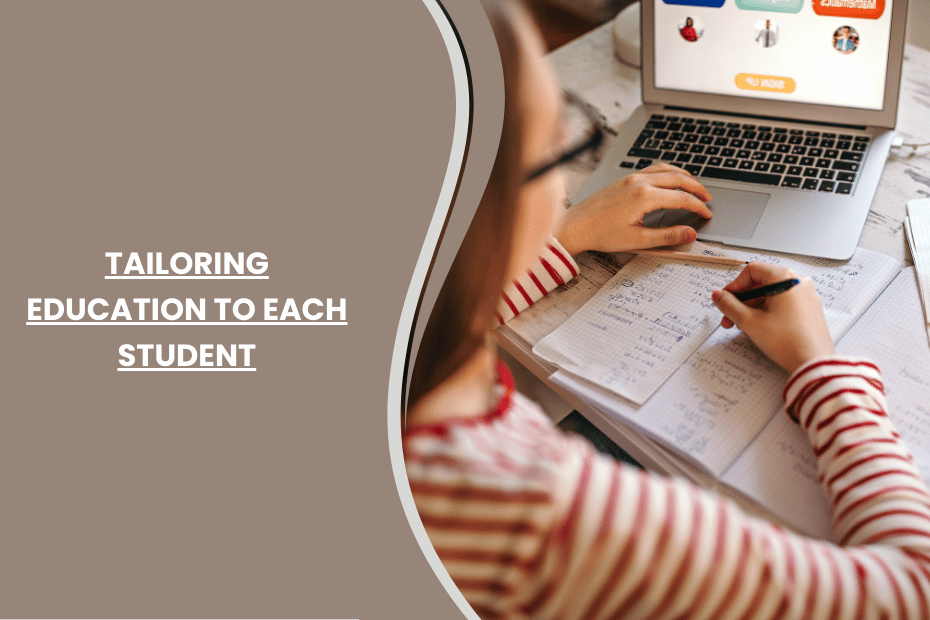
The rise of personalized learning marks a significant shift in how education is delivered, moving from traditional classroom models to an individualized approach that focuses on the unique needs, strengths, and interests of each student. Personalized learning aims to offer flexible, student-driven education that enables learners to take ownership of their academic journeys. Whether through adaptive technologies, tailored teaching strategies, or student autonomy, personalized learning is revolutionizing classrooms by helping students learn in ways that work best for them.
What is Personalized Learning?
Personalized learning refers to the method of adjusting education to meet the individual needs of each student. Instead of grouping students by age or grade level and teaching the same material at the same pace, personalized learning allows for flexibility in both content and pacing. This is important because every student learns differently, and a uniform approach can leave some students bored and others struggling to keep up.
One of the primary goals of personalized learning is to ensure that each student can reach their full potential. This is achieved by giving them more control over what they learn, how they learn, and the speed at which they progress. The role of the teacher is to guide the student and provide the necessary resources and support, but ultimately, students are encouraged to take an active role in their learning journey.
Key Components of Personalized Learning
There are several components that make up a successful personalized learning environment. Each of these elements plays a critical role in ensuring that education is truly tailored to the individual needs of students:
- Flexible Learning Pathways: One of the most important aspects of personalized learning is that students are given multiple pathways to achieve their learning goals. Whether they prefer to learn through videos, textbooks, interactive simulations, or hands-on activities, there should be options that cater to different learning styles.
- Pacing Adjustments: Traditional classrooms often move at a set pace, which can be challenging for both slower and faster learners. Personalized learning addresses this by allowing students to move at their own pace. Slower learners can take the time they need to fully understand a topic, while faster learners can move ahead without being held back by the rest of the class.
- Student Agency: A key aspect of personalized learning is giving students more control over their education. This could involve letting students choose which subjects they want to focus on, or allowing them to decide when and how they want to learn. When students feel empowered to make decisions about their education, they are more likely to be motivated and engaged.
- Technology Integration: Many personalized learning environments rely heavily on technology to track student progress and provide real-time feedback. AI and machine learning can help teachers identify areas where students are struggling, and offer suggestions for improvement. Technology also allows for more interactive and engaging lessons, which can keep students motivated.
- Teacher Support: Despite the emphasis on student autonomy, teachers still play a crucial role in personalized learning environments. They act as facilitators, providing guidance, resources, and support to help students reach their goals. Teachers must be adaptable and ready to modify their teaching methods based on each student’s progress.
The Role of Technology in Personalized Learning
Technology is an essential component of modern personalized learning, as it allows for real-time adjustments and monitoring that would be impossible in a traditional classroom setting. With tools like AI-powered learning platforms, teachers can quickly assess student performance and identify where additional support may be needed. This enables educators to provide more targeted interventions, helping students to overcome challenges and excel in their studies.
For instance, adaptive learning software can track a student’s progress and adjust the difficulty of tasks based on their performance. If a student is struggling with a particular concept, the system might offer additional practice problems or videos that explain the topic in a different way. Conversely, if a student is mastering the material quickly, they can be given more advanced work to keep them challenged.
In addition to improving academic outcomes, technology also allows for greater flexibility in how students learn. With access to digital resources, students can study from anywhere at any time, making it easier for them to fit their education around other commitments. This is especially beneficial for students who may have unique schedules or who need extra time to master certain subjects.
Benefits of Personalized Learning
The benefits of personalized learning are significant, impacting both academic performance and student engagement. Here are some of the most notable advantages:
- Increased Engagement: When students are given control over their learning and allowed to focus on topics that interest them, they are more likely to stay engaged and motivated. This often leads to better attendance, higher participation rates, and improved academic outcomes.
- Better Academic Outcomes: Research has shown that personalized learning can lead to higher test scores and better overall academic performance, especially in subjects like math and reading. By allowing students to progress at their own pace and focus on areas where they need the most help, personalized learning helps to ensure that no student is left behind.
- Tailored Support: In a personalized learning environment, students who struggle in particular areas receive more support and resources, while those who excel are given opportunities to advance further. This ensures that every student can reach their full potential, regardless of their starting point.
- Development of Self-Directed Learning Skills: One of the most important skills students can learn through personalized education is how to take control of their own learning. By making decisions about what and how they learn, students develop important life skills like time management, self-discipline, and problem-solving.
Challenges in Implementing Personalized Learning
While the benefits of personalized learning are clear, there are also challenges that must be addressed. One of the biggest challenges is the need for proper teacher training. Implementing personalized learning requires educators to adopt new teaching methods and learn how to use technology effectively. Without proper training, teachers may struggle to manage a personalized learning environment.
Another challenge is the cost of technology. Schools that want to implement personalized learning on a large scale must invest in the necessary tools and infrastructure, which can be expensive. In addition, there is the risk of creating a digital divide, where students from low-income families may not have access to the same resources as their peers.
Personalized Learning and Student Autonomy
One of the key goals of personalized learning is to foster greater autonomy in students. By giving them more control over their education, personalized learning encourages students to take responsibility for their learning and become more self-directed. This helps to improve academic performance and prepares students for future success in the workforce and in life.
Students who are given the freedom to choose what and how they learn are more likely to be motivated and engaged. They are also more likely to develop important skills like critical thinking, problem-solving, and time management, which are essential for success in the real world.
The Future of Personalized Learning
As technology continues to evolve, the future of personalized learning looks bright. AI, in particular, has the potential to revolutionize education by providing even more tailored and adaptive learning experiences. For example, AI could be used to create personalized learning plans that take into account a student’s strengths, weaknesses, and interests, offering customized recommendations for what they should study next.
In the future, we can expect to see more schools and educators embracing personalized learning as a way to improve student outcomes and prepare learners for the challenges of the modern world. However, it’s important to remember that personalized learning is not a one-size-fits-all solution. It requires careful planning, ongoing teacher training, and a commitment to using technology in ways that benefit all students.
Key Benefits of Personalized Learning
- Increased engagement: Tailored content keeps students interested.
- Improved academic outcomes: Better performance, especially in math and reading.
- More tailored support: Help for struggling students, challenges for advanced learners.
- Skill development: Fosters self-directed learning and time management.
In Conclusion
Personalized learning offers a transformative approach to education, focusing on the individual needs and strengths of each student. With the help of technology, educators can provide more tailored instruction, ensuring that students are engaged, supported, and challenged in meaningful ways. While there are challenges to overcome, such as teacher training and the cost of technology, the potential benefits of personalized learning make it a promising model for the future of education.
Originally published on WordPress: https://briancjensenscholarship.com/personalized-learning-tailoring-education-to-each-student/


